Currently Empty: $0.00

That 3 p.m. slump is not always about caffeine. Sometimes it is hydration – or more specifically, the gap between drinking enough water and actually retaining the fluids your body needs. A smart guide to daily hydration supplements starts there: hydration is not just volume, it is balance. If you train, sweat heavily, work long hours, travel often, or simply want a more reliable routine, the right supplement can make plain water work better.
What daily hydration supplements actually do
Hydration supplements are designed to support fluid balance, usually by supplying electrolytes such as sodium, potassium, and magnesium. These minerals help regulate how water moves in and out of cells, support muscle function, and play a role in nerve signaling. That is why chugging water alone can still leave you feeling off if your electrolyte balance is low.
This matters most when losses go up. A hard workout, a hot commute, a humid climate, poor sleep, and even long hours in air conditioning can all change how hydrated you feel. For many adults, especially active people and busy professionals, a daily hydration supplement is less about emergency recovery and more about staying consistent before the crash hits.
That said, not everyone needs the same level of support every day. If you eat a balanced diet, do light activity, and do not sweat much, your hydration needs may be simple. If you exercise regularly, use sauna sessions, follow a lower-carb eating pattern, or spend time outdoors in heat, targeted electrolyte support often makes more sense.
A practical guide to daily hydration supplements
The best hydration supplement is the one you will actually use consistently. That usually comes down to format, taste, ingredient quality, and how well it fits your day.
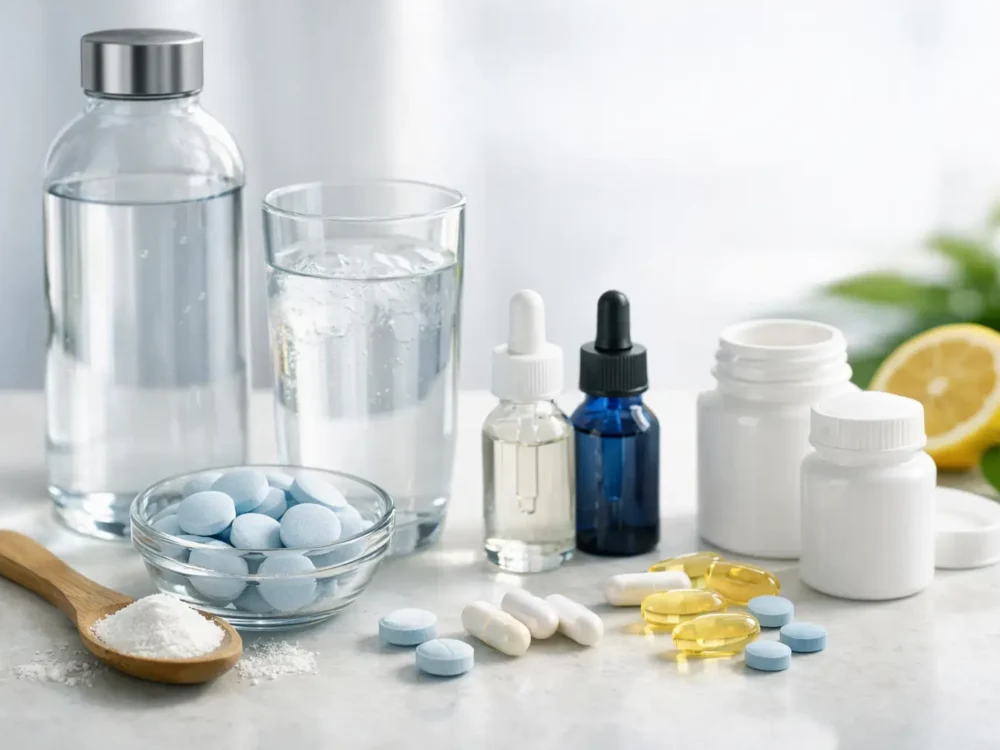
Effervescent tablets work well for people who want hydration to feel easy and enjoyable. Drop one into water, let it dissolve, and you have a flavored drink that can be easier to stick with than plain water. This format is especially useful if you are trying to increase fluid intake during office hours or after training.
Capsules appeal to a different kind of user – someone who wants portability, no mixing, and a cleaner routine. They are practical for travel, gym bags, and people who do not want sweet flavors or extra drink prep. If convenience drives consistency for you, capsules can be the better choice.
Powders are another common format, but they are not automatically better. They can be more customizable, yet they also add more mess and measuring. For many people, convenience wins over customization in a daily routine.
What to look for on the label
A good hydration formula should start with meaningful electrolytes, not just marketing language. Sodium is often the key mineral people overlook. It plays a major role in fluid balance, particularly if you sweat a lot. Potassium matters too, and magnesium can help round out the formula, especially for muscle function and overall electrolyte support.
Sugar content is where trade-offs start to matter. Some hydration products include sugar because glucose can help with fluid absorption in certain settings, especially after heavy sweating or endurance training. But for everyday use, many people prefer low-sugar or no-sugar formulas. If your goal is daily support rather than sports fuel, a cleaner formula may fit better.
Also pay attention to extras. Added vitamins, herbal blends, or energy ingredients are not always a bonus. Sometimes they complicate a product that should stay simple. If you are using a hydration supplement every day, clean ingredients and a straightforward formula usually beat an overloaded label.
For many shoppers, quality cues matter just as much as the formula itself. Vegan, non-GMO, cruelty-free, and natural-ingredient positioning can help narrow down the field, especially if you are building a wellness routine you want to feel good about using long term.
When daily hydration supplements make the biggest difference
Morning is one of the most effective times to use a hydration supplement. After a full night without fluids, many people wake up slightly dehydrated. If you tend to feel groggy, headachy, or slow to focus early in the day, adding electrolytes to your first bottle of water may help more than reaching for another coffee.
Pre-workout is another strong option, especially in hot weather or if you train intensely. Starting a session already underhydrated can drag down performance fast. A hydration supplement before exercise can support endurance, reduce that heavy sluggish feeling, and make it easier to recover afterward.
Post-workout use makes sense too, but it depends on the session. A light strength workout in air conditioning is different from a long run outdoors in Singapore-style humidity. The more you sweat, the more likely electrolyte replacement becomes useful.
Travel, long meetings, and high-output workdays are underrated hydration stressors. You may not notice sweat loss the way you do in a workout, but long stretches of coffee, low water intake, and constant air conditioning can add up. In those cases, daily hydration support is about maintaining steady energy and focus, not just replacing visible losses.
How to choose the right product for your routine
If you are new to hydration supplements, start by asking a simple question: what problem are you actually trying to solve? If you want better workout performance, your needs may be different from someone who just wants to stop feeling drained in the afternoon.
For fitness-minded adults, look for a formula with a meaningful electrolyte profile and a format that is easy to use before or after training. If you are rushing from work to the gym, capsules may be more realistic than a powder tub sitting at home. If taste helps you drink more water overall, effervescents may do more for your routine than a technically perfect product you forget to use.
For desk workers and busy professionals, consistency matters more than intensity. A lower-fuss daily format often wins. Hydration support should not feel like another complicated health task. It should fit into the same kind of routine as your morning vitamins or your post-lunch walk.
If you are sensitive to artificial flavors or trying to keep your supplement stack clean, simplicity is worth paying for. Better ingredients, practical formats, and clear labeling tend to support better long-term adherence. That is one reason brands focused on daily usability, such as Sterling Nutrition, stand out in this category.
Common mistakes people make
The first mistake is treating hydration supplements like a magic fix. They help, but they do not replace overall fluid intake. If you are drinking very little water all day, adding electrolytes to one glass will not solve the bigger issue.
The second mistake is overusing high-sodium formulas without considering context. More is not always better. If you are not sweating much and already eat a sodium-heavy diet, a very aggressive electrolyte formula may not be necessary for daily use.
Another common issue is using sports hydration logic for ordinary days. Endurance athletes and regular office workers do not need the same product profile. Daily hydration should match your lifestyle, not someone else’s training plan.
Finally, people often ignore routine fit. The best supplement is the one that makes hydration easier to repeat. If the taste is off, the format is inconvenient, or the ingredients do not align with your standards, the product will likely end up unused.
A simple way to build a hydration habit
Start small. Pick one point in your day where hydration usually slips – first thing in the morning, midafternoon, or before workouts. Use your supplement there for one to two weeks and see how you feel. Energy, focus, workout quality, and fewer headaches are often the first things people notice.
Keep the rest of your routine realistic. Carry water, eat normally, and do not expect a hydration tablet or capsule to compensate for every stressor in your schedule. Good hydration works best when it is built into a repeatable system rather than used only when you are already depleted.
There is also no rule that says your routine must look the same every day. Some people use hydration supplements daily year-round. Others use them strategically on training days, travel days, or especially hot weeks. That flexibility is a strength, not a flaw.
The best guide to daily hydration supplements is the one that leads to action. Choose a clean formula, pick a format that fits your life, and make hydration easy enough to repeat without thinking twice. When a wellness habit feels practical, it has a much better chance of lasting.